How a Commercial Sprinkler System Works in an Emergency
Blogs

Blogs
For property developers and landlords responsible for certain residential and high-value properties, selecting the correct fire suppression technology is a complex decision. While traditional sprinklers are the trusted standard for many commercial buildings, an alternative solution has gained prominence in specific residential and heritage environments. This system uses a technique that is fundamentally different, relying on fine water droplets rather than the sheer volume of water flow. Understanding where it’s best deployed is essential for compliance and asset preservation.
A conventional sprinkler system relies on water soaking the burning materials and cooling the fire’s fuel source.
Using high pressure to force water through specially designed nozzles, this process shears the water into exceptionally fine droplets, creating a mist that rapidly fills the protected space. When these microscopic droplets encounter the heat from a fire, they immediately turn into steam.
The change from liquid water to steam causes a rapid volumetric expansion quickly displacing the surrounding oxygen concentration. By removing the oxygen, the system suppresses the fire and prevents its continuation. The rapid evaporation also removes substantial thermal energy from the flames and surrounding air, achieving a fast cooling effect. This combination of cooling and oxygen displacement confirms that the fire is controlled with minimal water damage.
Care homes and facilities housing vulnerable residents present a unique challenge for fire safety design. The priority is to give slow-moving occupants the maximum possible time to evacuate, requiring exceptionally fast fire control and minimal shock from activation.
A fire mist system is often specified in these environments because it activates quickly and controls the fire with far less water. In the event of activation, the reduced water discharge causes less disruption to escape routes and the building structure compared to a conventional system. The system’s fast cooling action rapidly lowers the temperature within the room of origin, limiting the spread of smoke and heat.
For multi-occupancy buildings, including blocks of flats, and student accommodation, fire safety systems must satisfy BS 8458 which specifically covers the design, installation, and maintenance of fire mist system technology for residential use.
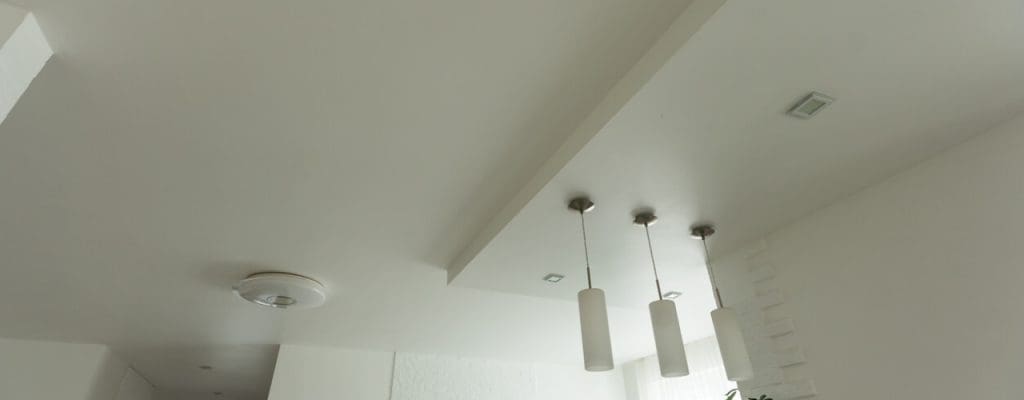
A significant benefit of a fire mist system in these settings is the ease of installation, particularly during renovation or retrofit projects. Traditional sprinklers require large-diameter pipework and significant water storage capacity, which can be challenging to integrate into existing structures without major intrusive works.
The compact nature of the system makes it an excellent choice where space and structural limitations prohibit the installation of a high-volume, traditional sprinkler system. Each fire mist system is designed precisely to the hazard profile of the individual flat or residential unit.
Listed buildings, historic houses, and major heritage sites contain irreplaceable original features and valuable collections. While fire protection is paramount, the use of large volumes of water from a traditional system can cause severe, permanent damage
For these reasons, a fire mist system is highly prized. The rapid evaporation means the water volume discharged is significantly reduced, offering a controlled suppression that limits secondary damage.
This low-volume protection confirms that the integrity of the historic fabric is preserved. Architects and conservation officers often favour the fire mist system because its small components can be integrated into a listed building’s structure without compromising its architectural appeal or requiring destructive alteration to protected features. The design process for a fire mist system requires specialist consultation to ensure complete compliance without detriment to the building’s character.
Unlike traditional sprinkler systems, which rely on high flow rates sustained over a long duration, a fire mist system requires a low volume of water but needs it to be delivered at an exceptionally high pressure.
The system requires a dedicated fire pump that is essential for generating the fine atomisation of the water droplets. This pump draws water from a small, dedicated storage tank or, where suitable, directly from the mains supply. The system’s ability to operate with smaller water reserves is a major advantage for sites where installing a large tank is structurally or aesthetically impossible.
The pump unit itself is usually a compact piece of equipment that can be strategically placed within the property. The pump’s power supply must be reliable and subject to regular maintenance checks. The system’s efficiency confirms that the water supply needed is proportionate to the fire’s size.
While a fire mist system offers distinct advantages, its use is not universal. The technology operates best within defined parameters, and its deployment must be supported by fire test certification under the appropriate British Standard (BS 8458).
A fire mist system is closely linked to the space it protects. Factors that influence the design include:
These design limits mean that a bespoke survey by an accredited fire safety engineer is mandatory before selecting a fire mist system for any complex structure.
The longevity and effectiveness of any fire mist system are confirmed by its ongoing compliance with British standards. It is not enough for the system to be installed. It must be capable of functioning years after commissioning.
This assurance is provided through certification and a structured maintenance schedule. We ensure that every system installed is fully certified, providing a compliance package that includes:
A correctly certified installation protects you from legal liability and confirms that the system will perform precisely as designed when a fire emergency arises.
The successful operation of a fire mist system in an emergency is entirely dependent on the quality of the design and installation. It is not simply a plumbing task; it is a complex engineering discipline guided by British Standards.
RAD Fire Sprinklers has 17 years of experience in the design, installation, and commissioning of these systems across diverse residential properties in England and Ireland. We are fully accredited by industry bodies, confirming our work meets the highest benchmarks for safety and compliance.
If you are planning a large-scale residential project or a complex retrofit in a heritage property and require expert guidance on system design, contact our specialist team today for a detailed consultation.
Your ultimate resource for expert insights, industry trends, and practical tips on Residential & Commercial Fire Sprinklers.

Get in touch today to protect your property with a professionally installed fire sprinkler system. Our expert team is here to answer your questions and provide a tailored quote.