Where Are Fire Mist Systems Most Commonly Used in the UK?
Blogs
Blogs
When people think about fire safety, the attention usually falls on keeping families safe and preventing damage to the home. But fires also put emergency responders at significant risk. Entering burning buildings is one of the most dangerous tasks firefighters face, and every second matters. Installing residential sprinklers not only protects households but also makes conditions safer for firefighters by controlling flames before they arrive.
A house fire can reach dangerous temperatures within minutes, creating conditions that make it extremely hazardous for crews to enter. Sprinklers activate at the source, cooling the fire and reducing the release of toxic smoke. Lower heat levels also prevent flashover, the point when an entire room ignites. With the fire contained, firefighters can enter a building more safely and with less risk of life-threatening heat exposure.
Even with the best response times, there is always a window when flames grow unchecked. In that short period, fire can spread through multiple rooms and compromise structural stability. Residential sprinklers narrow that window by attacking the fire early. Crews arriving at a property with sprinklers are far less likely to face fully developed fires, meaning their protective gear works more effectively and the risk of injury is significantly reduced.
These benefits show how sprinklers directly support the safety of those responding to emergencies.
Every call-out requires resources and risk. Fires controlled by sprinklers usually demand fewer crews and shorter time on-site. The reduced strain on local services allows faster response to other emergencies. Firefighters spend less time in dangerous environments and have more availability to protect the rest of the community.
Firefighters face health risks from repeated smoke exposure, including respiratory illnesses and cancer. Residential sprinklers suppress smoke, meaning crews breathe in fewer harmful particles. Less exposure translates into improved long-term health outcomes.
Building collapse is one of the most serious dangers firefighters face. When fire weakens floors, walls, and roofs, conditions can turn fatal in seconds. Slowing the progress of flames, sprinklers preserve the integrity of structures long enough for crews to conduct rescues and suppress remaining flames safely. Contained fires bring fewer surprises inside burning homes.
With residential sprinklers in place, rescue operations become safer and more successful for both occupants and responders.
Training is vital for firefighter readiness, but real conditions are unpredictable. Sprinklers create more manageable environments during actual fires, giving crews a better chance to apply training. Instead of battling fully developed fires, firefighters engage with incidents that reinforce tactical preparation and lower risk during operations.
When sprinklers suppress a blaze early, less water and fewer chemical extinguishers are required. This lowers environmental impact and reduces exposure to hazardous runoff that firefighters could encounter. Cutting down on smoke and toxins creates cleaner and safer working conditions inside the property and in the surrounding area.
Beyond immediate fire suppression, sprinklers reduce the volume of debris and toxic materials that end up in landfill after a blaze. They also cut down on the release of greenhouse gases from burning materials, lowering the environmental footprint of fires. Cleaner air and less waste benefit not only firefighters but the wider community.
When a blaze is controlled before crews arrive, firefighters can focus on confirming safety and preventing reignition rather than tackling an intense fire. Residential sprinklers reduce the need for aggressive entry and lowering overall risk. Shorter, safer responses leave more capacity for other emergencies.
Modern safety standards emphasise prevention and mitigation. Residential sprinklers align with this approach, creating conditions where firefighters can operate without facing the worst-case scenarios. They extend the safety net already provided by alarms and protective gear, with the added benefit of suppressing the hazard before crews even arrive.
In rural areas or communities with smaller fire services, response times can be longer and resources more limited. Residential sprinklers provide critical early suppression, meaning firefighters face a less advanced blaze when they arrive. This makes conditions safer and reduces the need for large crews or specialist equipment. Bridging the gap until responders are on scene, sprinklers give rural and smaller teams a better chance to control fires safely.
Do sprinklers activate during power cuts? Yes. Systems are triggered by heat, not electricity, so they remain reliable even if power is lost
Will a sprinkler system affect my home insurance? Many insurers look favourably on properties with sprinklers and may offer improved terms
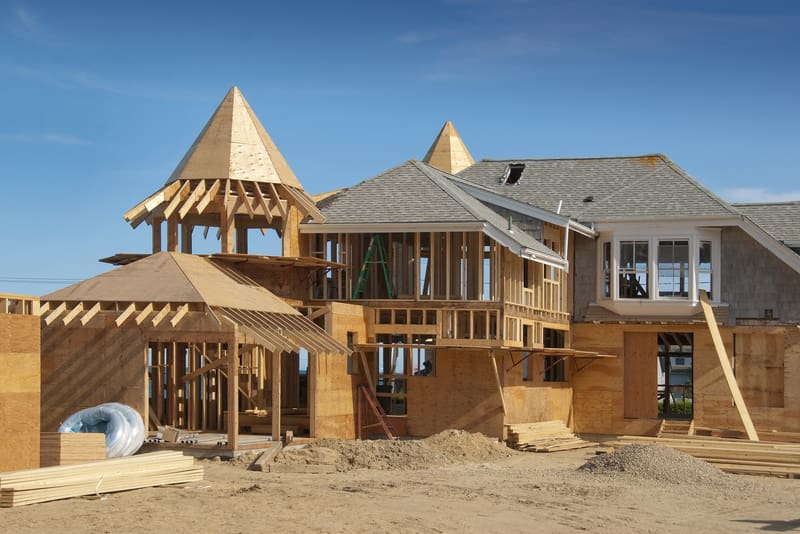
Can sprinklers be integrated during renovations? Absolutely. Renovation projects provide an opportunity to add sprinklers with minimal disruption
Are sprinklers noisy when they activate? No. The sound is limited to when the water releases at the sprinkler head, far quieter than a fire alarm or firefighting hoses
Residential sprinklers provide a critical advantage in protecting homes. Their benefits also extend to the very people called upon to save lives in emergencies. Cooling fires, limiting smoke, and reducing structural collapse create safer working environments for firefighters. For homeowners, installing them is a personal safety measure.
To learn how sprinklers can be added to your property, reducing risks for both your family and the firefighters who protect you, contact our expert team today.
Your ultimate resource for expert insights, industry trends, and practical tips on Residential & Commercial Fire Sprinklers.

Get in touch today to protect your property with a professionally installed fire sprinkler system. Our expert team is here to answer your questions and provide a tailored quote.