Why Mixed-Tenant Buildings Need Commercial Sprinkler Checks
Blogs
Blogs
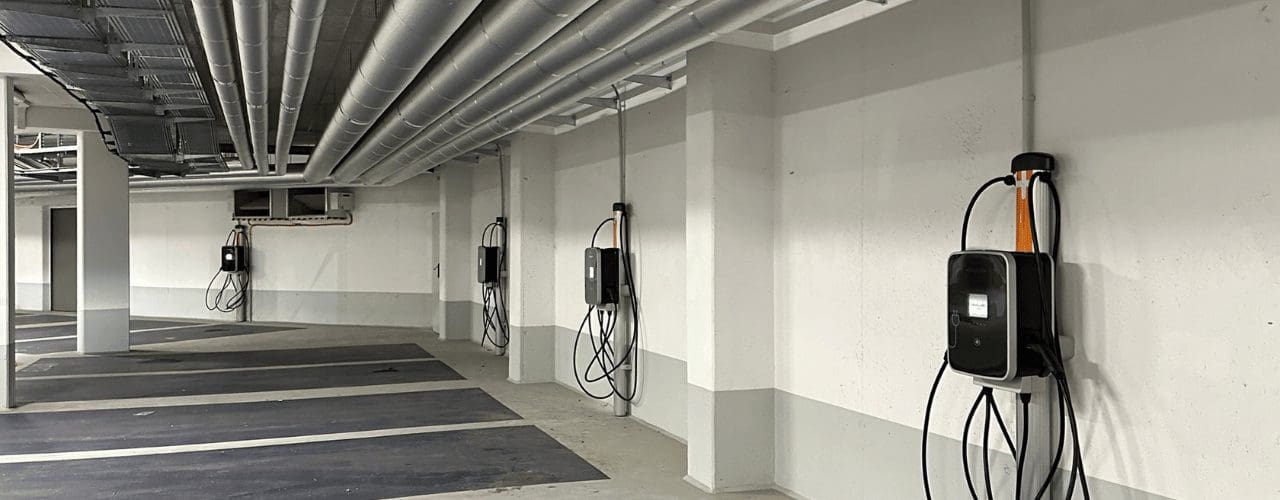
Large-scale residential developments are increasingly defined by their green infrastructure. However, electric vehicles (EVs) create specific thermal risks in car parks since the lithium-ion battery fires burn at higher temperatures than traditional internal combustion engines. These batteries release toxic gases and generate intense heat that is often impossible to contain with standard ventilation alone. Property owners must now deploy a sophisticated fire suppression system to manage these high-intensity risks in enclosed underground or basement spaces.
RAD Fire Sprinklers works with residential developers to design active cooling solutions that address the specific chemistry of battery fires. By integrating a certified suppression network early in the RIBA design stages, developers can protect their structural assets while satisfying the increasingly stringent requirements of building insurers.
Thermal runaway is a chemical chain reaction where rising temperatures cause battery cells to ignite. This process produces extreme heat and large volumes of flammable gas, creating a risk of residential properties being exposed to sustained thermal loads. A dedicated suppression setup is required to provide the continuous cooling necessary to stop this heat from spreading to adjacent vehicles.
Once this reaction starts, the engineering priority shifts from extinguishment to containment. In multi-storey layouts, radiant heat can weaken concrete beams and load-bearing pillars. Installing a robust suppression network helps lower the ambient temperature in the parking bay, protecting the structural integrity of the building and preventing a single vehicle incident from becoming a total loss of the basement level.
Confined smoke from an electric vehicle fire threatens apartment blocks by filling escape routes with lethal gases. Underground car parks often lack sufficient natural ventilation, leading to rapid smoke logging. This smoke also hinders emergency services trying to reach the seat of the fire.
Battery fires produce hazardous byproducts, including hydrogen fluoride and carbon monoxide. These toxic elements can move through lift shafts and service risers to reach residential floors. An active suppression system provides a “scrubbing” effect, binding with smoke particles to pull them out of the air. This containment provides extra time for residents to exit the building and keeps stairwells clear for rescue teams.
Traditional fire safety codes were largely written for the predictable peak temperatures of petrol engines. They did not account for self-oxidising battery fires that burn for long durations. Modern residential buildings with integrated charging hubs require an upgraded fire suppression system to manage these extended thermal loads.
An electric vehicle fire can maintain high temperatures for hours, placing prolonged stress on steel reinforcements. This sustained heat leads to spalling concrete and can cause catastrophic failure in high-rise structures. Advanced technologies, such as high-pressure mist, keep structural steel below critical failure points during an incident, ensuring the building remains viable after the event.
Is your property built for modern EV risks in case of fire? Submit your car park floor plans to our engineering team. We can provide a technical gap analysis to ensure your current water supply and suppression layout meet the latest safety benchmarks for charging hubs.
A suppression network serves as the core of a building’s safety strategy by deploying water automatically to cool the fire zone. It works alongside smoke alarms and extraction fans to create a layered defence. This approach contains the fire at the source while allowing residents to evacuate without encountering heat-induced structural failures.
Effective protection requires a design tailored to the specific layout of the car park. RAD Fire Sprinklers reviews water supply capacity and building occupancy to ensure all components activate correctly when heat is detected. Proper planning at the design stage ensures all fire safety components work together during an emergency, avoiding the complications of retrofitting once the structural slabs are poured.
High-pressure water mist is an effective alternative to traditional sprinklers in basements with limited water supplies. These systems use smaller volumes of water to achieve rapid cooling through evaporation. This technology reduces the need for large storage tanks and minimises water damage to the property.
Architects often choose water mist for tight plant room dimensions where space is a premium. A mist-based network provides a low-profile safety solution that fits into residential architectural constraints. It offers a practical way to meet safety standards without requiring massive infrastructure upgrades to the local water mains.
UK compliance requires adherence to Part B of the Building Regulations for all underground and multi-storey parking structures. These rules mandate specific fire resistance periods and safe means of escape. An active suppression network is often the deciding factor in satisfying safety audits in enclosed residential areas.
Developers must follow BS EN 12845 or BS 8458 standards to ensure the network meets performance criteria. Navigating these legal requirements is a mandatory step for securing building insurance. RAD Fire Sprinklers holds FIRAS registration and BAFSA membership to help clients meet these statutory obligations and secure their “Golden Thread” of safety documentation.
As the insurance market reacts to lithium-ion risks, many underwriters are requesting documented risk mitigation strategies before renewing policies for multi-occupancy blocks. Installing an adaptable fire suppression system ensures your property remains bankable and insured.
Planning for active suppression now allows M&E consultants to allocate space for pumps and valves in the original blueprints. This foresight ensures the building remains safe as charging demand grows. A professional high-hazard fire protection setup keeps your assets protected as vehicle technology and regulatory demands continue to evolve.
The transition to electric transport requires a fundamental shift in how we approach car park safety. If you are developing a project with basement charging or battery rooms, our FIRAS-accredited engineers can help you design a suppression network that meets the specific thermal demands of lithium-ion risks.
Request a Technical Design Review for Your EV Infrastructure
While traditional sprinklers provide some cooling, specialised suppression is often designed with higher water densities to manage the unique heat release rates of lithium-ion batteries.
By using high-pressure mist, the system can achieve the same cooling effect as a traditional sprinkler while using up to 80% less water. For more details on system performance, visit our FAQ section.
Your ultimate resource for expert insights, industry trends, and practical tips on Residential & Commercial Fire Sprinklers.


Get in touch today to protect your property with a professionally installed fire sprinkler system. Our expert team is here to answer your questions and provide a tailored quote.