
When Do Holiday Let Conversions Need Domestic Fire Sprinklers?
Blogs
Blogs
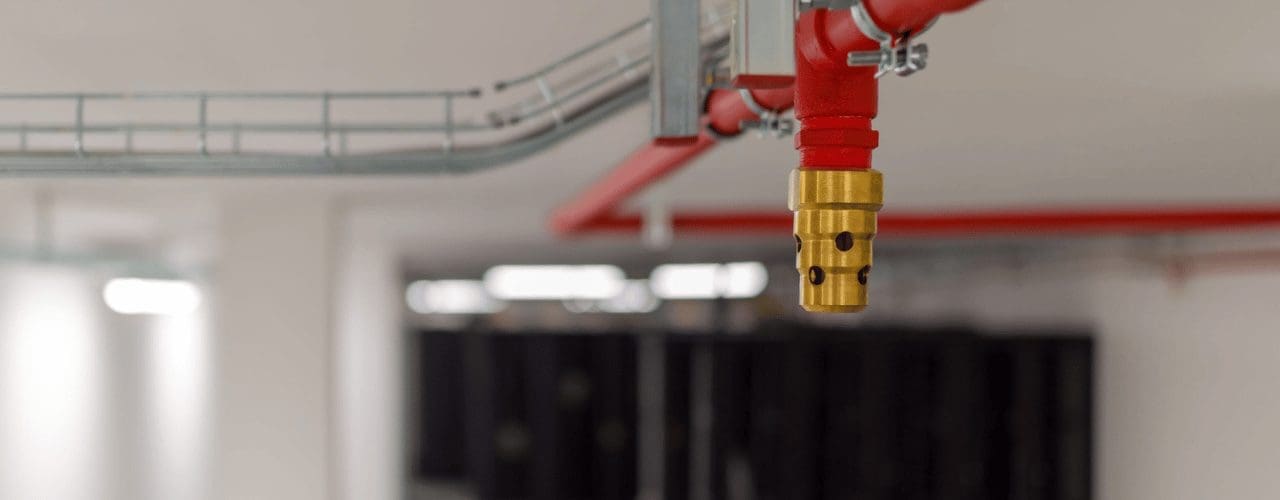
Boiler rooms and plant areas house the primary infrastructure required for continuous building operations. When these mechanical spaces experience fires, the resulting damage causes severe disruption for high-rise apartment blocks and care homes. RAD Fire Sprinklers installs targeted high-pressure fire protection systems to mitigate these operational risks. A fire mist system provides exact thermal control in enclosed mechanical areas without the flooding risks associated with standard sprinkler heads.
Boiler rooms present significant fire risks due to the concentration of base fuel sources and high-voltage electrical panels within a confined layout. These enclosed mechanical spaces require specialist protection because a sudden electrical fault or fuel leak can rapidly escalate into an uncontrollable fire.
The physical layout of a typical plant room forces mechanical equipment to sit tightly packed against walls and ceilings. This dense arrangement restricts basic fire suppression hardware, while high ambient temperatures increase the base likelihood of ignition. Plant areas also house a complex mixture of combustible materials running alongside heavy gas supply lines. Designing appropriate commercial boiler room fire safety UK systems requires precise engineering to isolate overlapping fuel sources and block electrical hazards.
A fire mist system behaves exceptionally well in enclosed mechanical spaces by discharging micro-droplets that instantly convert to steam. This reaction provides rapid heat absorption while simultaneously causing oxygen displacement around the flame base. The primary fire is suppressed quickly with significantly reduced water damage to surrounding mechanical equipment.
High-pressure water mist technology forces water through specific suppression nozzles, creating droplets with a high surface-area-to-volume ratio. These droplets draw extreme heat out of the atmosphere much faster than heavy water streams, protecting nearby pressurised systems from thermal expansion. As the mist evaporates into steam, the vapour pushes oxygen away from the combustion zone. The enclosed walls of a mechanical plant room trap the expanding steam, suffocating the hazard within seconds.
Mist fire suppression for confined spaces outperforms traditional sprinklers because it relies on minimal water volume to achieve maximum heat reduction. This precise fluid application prevents the severe flooding of sensitive electrical panels and limits expensive secondary damage to the surrounding mechanical infrastructure.
Standard residential fire sprinklers discharge heavy water volumes to extinguish class A fires in living areas. Discharging hundreds of litres of water inside a plant room outright destroys the electrical equipment you originally intended to protect. A fire mist system uses a fraction of the water, allowing building owners to suppress the fire while preserving expensive machinery. Because the water demand is remarkably low, engineers can integrate suppression plant rooms directly into the existing domestic water supply without installing massive underground storage tanks.
Protecting plant equipment from fire damage prevents continuous operational failure across multi-occupancy buildings. When boiler rooms survive a fire incident with minimal disruption, landlords save millions in replacement costs while ensuring vulnerable residents maintain continuous access to safe heating and electrical power.
A fire in the basement plant room immediately compromises the central infrastructure required to keep high-rise buildings habitable. Keeping heating and power operational provides residents with vital light and time to evacuate safely while emergency services arrive. Effective plant room fire protection solutions drastically reduce the downtime associated with post-fire cleanup operations. Because high-pressure mist leaves minimal standing water behind, maintenance engineers can restore primary building services within hours instead of replacing the entire boiler system over several weeks.
Integrating a fire mist system installation within plant areas requires rigorous adherence to current UK Building Regulations. RAD Fire Sprinklers ensures complete legal compliance by consulting directly with building control and local authorities to calculate specific fire risk variables before approving the final schematic design.
Our engineers design hardware configurations tailored to each property to ensure strict alignment with Part B of the UK Building Regulations. We calculate precise water flow requirements and baseline ventilation parameters to guarantee correct coverage inside complex mechanical layouts. All installations follow exact test standards such as BS EN 12845 for commercial applications. We hold active registrations with the FIRAS 3rd Party Accreditation Scheme and the National Fire Sprinkler Network, confirming our technical expertise across every commercial project.
RAD Fire Sprinklers provides comprehensive lifecycle management for commercial high-pressure installations across England and Ireland. We take total responsibility for your project by delivering professional hardware installation and scheduled mechanical maintenance to guarantee your suppression units remain legally compliant year round.
Our qualified team completes detailed site inspections to adapt high-pressure hardware specifically to the internal layout and risk profile of your property. Once the installation is complete, ongoing servicing remains a mandatory requirement to ensure the primary pumps and nozzles stay completely free of mineral obstructions. Experienced engineers run scheduled pressure tests so the boiler room fire suppression systems UK properties rely on activate precisely the moment ambient temperatures detect a fire. Managing the entire hardware lifecycle through a single provider eliminates miscommunication between contractors and maintenance crews.
Facility managers frequently have specific questions regarding plant room fire safety and the correct application of misting hardware. Understanding the servicing requirements and operational mechanics helps property owners make informed investment decisions regarding their core mechanical layouts and regulatory compliance obligations.
Evaluating specific hardware applications allows engineers to implement the safest suppression method for highly sensitive environments. Property owners must identify the unique thermal hazards present in their basements to select appropriate nozzle configurations. Comparing different fire safety approaches clarifies why high-pressure mist serves as the primary defence for electrical and mechanical applications.
You maintain suppression systems for heating plant rooms by conducting annual pressure tests and detailed nozzle inspections. Qualified service technicians verify that the dedicated water supply delivers the correct flow rate so the automatic release mechanisms trigger instantly upon detecting abnormal thermal levels.
Regular mechanical checks ensure the microscopic fluid pathways inside the suppression nozzles remain completely clear of mineral deposits and industrial debris. Failing to clear these blockages restricts the droplet discharge and directly compromises the heat absorption capability. RAD Fire Sprinklers administers this ongoing service program to support your long-term legal compliance and keep your mechanical infrastructure operational.
You apply fire mist for electrical plant rooms over foam solutions because microscopic water droplets suppress flames without conducting static electricity. Mist forces a rapid temperature reduction through oxygen starvation, avoiding the introduction of highly corrosive chemical agents onto delicate distribution boards.
Foam-based extinguishing chemicals frequently leave a toxic residue that destroys complex circuitry permanently. Using clean mist hardware drastically reduces the expense of replacing primary voltage components after an emergency. High-pressure mist technology improves overall layout flexibility when engineers need to protect mixed hazard environments containing both diesel fuels and server cables.
The primary building benefits of water mist systems for mechanical rooms include a reduced equipment footprint and vastly lower water consumption. Facility managers can install these discrete pump units into tight layouts without requiring enormous structural alterations or massive dedicated storage tanks.
This compact pump design makes retrofitting highly practical for older high-rise apartment blocks and tightly spaced care homes. The high-pressure fire mist system runs independently to secure the property around the clock. Contact RAD Fire to arrange a technical consultation and install accredited fire suppression technology across your mechanical estate.
Your ultimate resource for expert insights, industry trends, and practical tips on Residential & Commercial Fire Sprinklers.


Get in touch today to protect your property with a professionally installed fire sprinkler system. Our expert team is here to answer your questions and provide a tailored quote.