Why Mixed-Tenant Buildings Need Commercial Sprinkler Checks
Blogs
Blogs
Converting a cellar into a living space adds property value but introduces specific safety challenges. Building control officers monitor these projects closely because escaping an underground fire is more difficult than exiting a ground-level room. You must confirm your fire protection strategy before finalising architectural plans. This decision dictates whether you can have an open-plan layout or if you must build fire-rated internal walls for escape corridors.
Basements present fire safety challenges due to limited exit routes and restricted ventilation. Smoke and heat travel upwards which can block the only available staircase. Early fire suppression is often necessary to protect occupants and meet UK building control standards for underground dwellings.
Heat and toxic gases rise into the ground floor above during a fire. This creates a chimney effect in an enclosed basement. Occupants have less time to evacuate compared to those on a standard ground floor. You need a robust fire safety strategy to ensure everyone can get out safely.
Emergency service access is also difficult in underground levels. Firefighters have to move down into extreme heat which is dangerous and slow. Automated systems stop the fire from growing before it becomes unmanageable. Suppression keeps small fires contained within the room of origin.
UK Building Regulations do not mandate sprinklers for every domestic basement conversion. However, open-plan layouts or basement flats often require residential fire sprinklers to satisfy Approved Document B and secure building control approval. This is common in multi-storey homes where the top floor is over 4.5 metres above ground level.
Building control rules for basements can be technical for developers and homeowners. Approved Document B focuses on the safety of escape routes. If your design has an inner room where the only exit is through another high-risk area, inspectors usually require an alternative fire strategy.
Open-plan designs are popular but they remove the traditional protected escape corridor. To keep this layout legal, you have to add compensatory safety measures. Residential fire sprinklers are the most effective way to allow open-plan living while meeting safety codes.
Traditional sprinklers use high water volumes to douse flames. Water mist systems release a fine spray that suppresses fire using significantly less water. This makes water mist better for homes with limited water pressure or small ceiling voids where large pipes cannot fit.
Both systems save lives and prevent structural damage. Standard residential sprinklers work well in most homes by activating when local temperatures rise. This quick response stops the fire at the source.
Some older properties lack the water flow for standard sprinklers. High-pressure water mist is a reliable alternative for domestic suppression when you cannot fit large water tanks. The mist cools the air and displaces oxygen around the fire. It also uses smaller pipes which helps during a renovation.
A compliant fire strategy uses several layers of protection. Residential sprinklers work with interlinked smoke alarms and fire doors to keep escape routes clear. Alarms give the warning while the suppression system keeps the fire small enough for people to walk past.
You should not use a sprinkler as a single fix for a dangerous house design. Building inspectors look for a total safety package. A reliable smoke and heat detection network is the first line of defence. Detection alerts people to the danger before the heat is high enough to trigger the sprinkler heads.
Passive fire protection is also a core part of your planning. Your architect needs to specify the correct fire doors and floor materials. These barriers stop smoke while the sprinklers tackle the heat. Combining both creates the safest environment for a new basement build.
The cost for basement fire suppression depends on the size of the room and the system type. High-pressure water mist often has different requirements than mains-fed sprinklers. Early planning ensures the pipework fits into your ceiling without changing the look of your room or causing delays.
Every home has different technical needs and price points. The cost for a UK residential sprinkler system varies based on your layout and the local water supply. You should find space for pumps or tanks early by talking to your contractors.
Retrofitting a system into an existing building is more complex than a new build. Running pipes through old joists takes more time and care. However, installing sprinklers in a basement is a standard process for an experienced team.
RAD Fire Sprinklers manages the design and installation to ensure everything is straightforward. Using a FIRAS registered company means your installation will meet the required safety standards. It is a necessary step for homeowners and developers.
Planning a basement involves following technical building rules. Many owners want to know about escape paths and how the equipment looks before starting work. Understanding these basics helps you make better decisions for your project.
An external door that leads directly outside improves your escape options. You might not need a sprinkler system if this exit satisfies your building inspector. You should always check your specific floor plan with a fire professional.
Building control prefers natural escape routes. A direct door to the garden often removes the need for extra safety systems. This is common on sloped sites where the basement is at ground level at the back. It is still worth considering suppression to protect your renovation.
Basement flats have stricter fire regulations than single-family homes. Because they are separate dwellings, building control usually requires sprinklers to stop smoke and fire from reaching the flats above. This protects other residents in the building.
Flat conversions have different safety standards. A fire in a basement flat can damage the structure of the floor above. Automated suppression stops the heat before it affects the neighbours. For developers, meeting these requirements is a top priority for legal compliance.
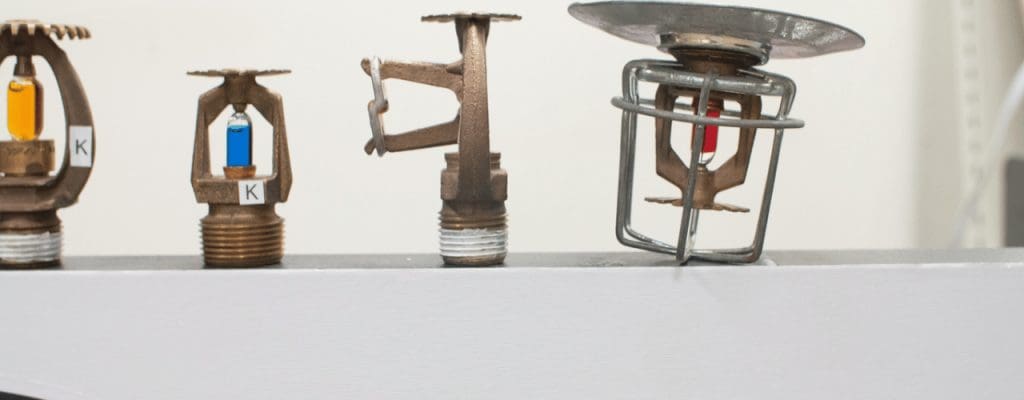
Modern fire sprinklers can be hidden behind flat cover plates. These plates drop away only when the system is triggered by heat. This lets you keep a clean ceiling finish while staying fully compliant with the law.
Many people worry that safety equipment will look ugly in a new room. Modern residential sprinklers are small and sit flush with the plasterboard. Architects prefer these concealed heads because they are almost invisible once painted.
A basement conversion is a great way to add more living space to your house. Making sure the area meets safety rules gives you and your family peace of mind. Talking to a safety specialist early in the design phase stops you from having to fix expensive mistakes later.
Fire protection is a core part of any major building project. Whether you need sprinklers depends on your layout and how you plan to use the space. Working with professional installers makes the regulatory process much easier for everyone involved.
RAD Fire Sprinklers helps homeowners and architects follow these complex rules. We have years of experience across England and Ireland designing systems that protect people. Reach out to our team if you need help with your project.
Your ultimate resource for expert insights, industry trends, and practical tips on Residential & Commercial Fire Sprinklers.


Get in touch today to protect your property with a professionally installed fire sprinkler system. Our expert team is here to answer your questions and provide a tailored quote.