Where Should a Water Misting System Be Planned in Modular Housing?
Blogs
Blogs
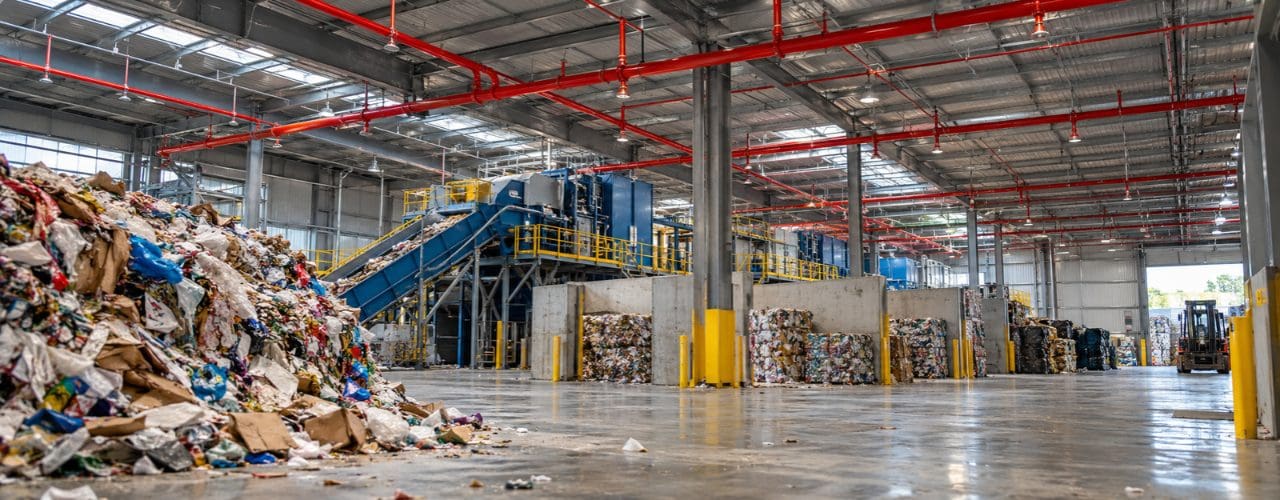
Waste and recycling facilities can contain changing stock types, combustible materials and processing equipment within one operating site. A suppression system designed without reference to the actual waste streams and storage arrangements may not reflect the conditions that shape the fire risk.
For operators covered by Environment Agency fire prevention plan guidance, suppression forms part of a wider set of controls. The plan looks at how waste is stored, how ignition risks are managed and how the site will respond if a fire occurs. Fire Suppression Systems should support that plan and the way the site operates.
RAD Fire Sprinklers can assess commercial sprinkler requirements and suitable high-pressure water mist applications, including water supply, layout, installation and ongoing maintenance. The starting point should be accurate site information and the operator’s fire prevention plan.
For permitted sites that accept combustible waste, the Environment Agency expects operators to address fire prevention through a site-specific plan where its guidance applies.
The guidance focuses on reducing the likelihood of fire, controlling spread and supporting an effective response. It also covers storage arrangements, separation measures, quarantine areas and water management.
For combustible waste stored inside a building, the guidance requires operators to install a fire suppression system. The system should reflect the nature and scale of the activity and the associated risks.
That makes fire suppression systems part of the operator’s wider fire-prevention controls, not a separate purchase that can be specified without the rest of the site information.
The designer needs to understand the materials present.
Paper, plastics, textiles, wood and waste electrical equipment can create different storage considerations. Batteries may also enter a waste stream and can create an ignition risk if damaged or processed incorrectly.
The operator should explain where each waste stream is stored, the expected pile sizes and how long material remains on site. Processing areas and changes between indoor and outdoor storage also matter.
Fire Suppression Systems should reflect these operating conditions. A system based on one layout may need review if the operator later moves storage bays, changes stock types or introduces different equipment.
Suppression does not replace good waste management.
The fire prevention plan may include limits on pile sizes, separation distances and fire walls. Operators may also need quarantine arrangements for moving burning or at-risk material away from unaffected stock.
The suppression designer needs to understand these controls because high stock or equipment can obstruct water distribution. Fire walls and storage bays can also affect pipe routes and protected areas.
The operator should keep valves, test points and other serviceable equipment accessible. Allowing stock to block those areas creates an avoidable maintenance problem.
This coordination helps the suppression system work as part of the planned site arrangement.
Waste sites can use shredders, conveyors, compactors and other plant. The operator’s fire prevention plan should identify relevant equipment and activities that may contribute to fire risk.
The suppression review should consider how fixed protection relates to that process layout. One system type will not suit every machine, material or waste stream.
RAD’s verified commercial capability covers sprinkler systems and high-pressure water mist for suitable applications. The correct arrangement depends on the site risk and the relevant technical design route.
Where a process needs another specialist suppression technology, the wider fire-safety team should identify the appropriate provider. RAD should not be presented as supplying every form of suppression.
A commercial sprinkler system needs enough water to meet the calculated pressure and flow requirements.
The design may use a suitable mains supply or require dedicated pumps and water storage. The correct arrangement depends on the system calculations and available supply.
Waste operators should establish this early because tanks and pumps can require significant space and access. The same information can support wider planning for emergency water supply and site access.
RAD can test available pressure and flow and design sprinkler protection to BS EN 12845 where applicable. That technical review gives the operator clearer information about plant and infrastructure before the final layout is fixed.
The fire prevention plan needs clear procedures for detecting fire and raising the alarm.
Detection may involve automated or manual measures depending on the site. Fire Suppression Systems should therefore connect with the operator’s wider response arrangements where relevant.
The site plan should identify access for the fire and rescue service, water supplies and any quarantine area required by the fire prevention plan. Staff also need to understand what happens after an alarm or system activation.
Suppression can help control a developing fire, but it does not replace trained staff procedures or the operational decisions made by the fire and rescue service.
Waste-site fire planning also needs to consider water generated during firefighting.
The Environment Agency asks operators to show relevant drainage features and fire-water containment arrangements within the fire prevention plan. The project team should therefore consider suppression alongside the site’s drainage and containment strategy.
This is another reason to avoid specifying Fire Suppression Systems from a generic product description. The designer needs to understand the fire-protection requirement, and the operator needs separate advice on the environmental controls required for the permit and site.
RAD can assess the active suppression element, while the relevant environmental adviser should confirm the containment and permit requirements.
A waste facility can change after installation.
The operator may accept a new waste stream, move storage bays or introduce different processing equipment. Changes of that kind can alter the conditions considered in the original suppression design.
The operator should review the fire prevention plan when activities or other relevant conditions change. Where the protected risk also changes, include the suppression system in that review.
Current drawings and maintenance records make this easier. They allow the designer to compare the installed arrangement with the new site conditions and identify any required alterations.
RAD can review commercial premises, assess available water pressure and flow, and design sprinkler protection to the relevant criteria. Where high-pressure water mist is suitable and supported by the required evidence, the team can assess that option too.
RAD can also support installation, testing, commissioning and ongoing servicing. This gives the operator continuity from initial assessment through to system maintenance.
Fire Suppression Systems should sit alongside the operator’s fire prevention plan and wider site controls. RAD’s role is to develop and maintain the active protection that falls within its verified sprinkler and water mist capability.
No. Fire Suppression Systems need a site-specific assessment because the correct arrangement depends on the waste streams, storage method, building layout and associated risks.
No. Those controls form part of the wider fire prevention plan. Suppression should support storage controls, detection and emergency procedures.
Review it when changes to stock, layout or processing equipment may affect the protected risk. A planned permit variation can also provide a practical point to review the current site information.
Reviewing a waste or recycling facility, permit variation or site-layout change? RAD Fire Sprinklers can assess active suppression where sprinkler or high-pressure water mist protection is appropriate, review the available water supply and support the project through design, installation, commissioning and planned maintenance. Discuss your site requirements with our team to understand how the proposed fire suppression system can work alongside your wider fire prevention arrangements.
Your ultimate resource for expert insights, industry trends, and practical tips on Residential & Commercial Fire Sprinklers.

Get in touch today to protect your property with a professionally installed fire sprinkler system. Our expert team is here to answer your questions and provide a tailored quote.