
When Do Holiday Let Conversions Need Domestic Fire Sprinklers?
Blogs
Blogs
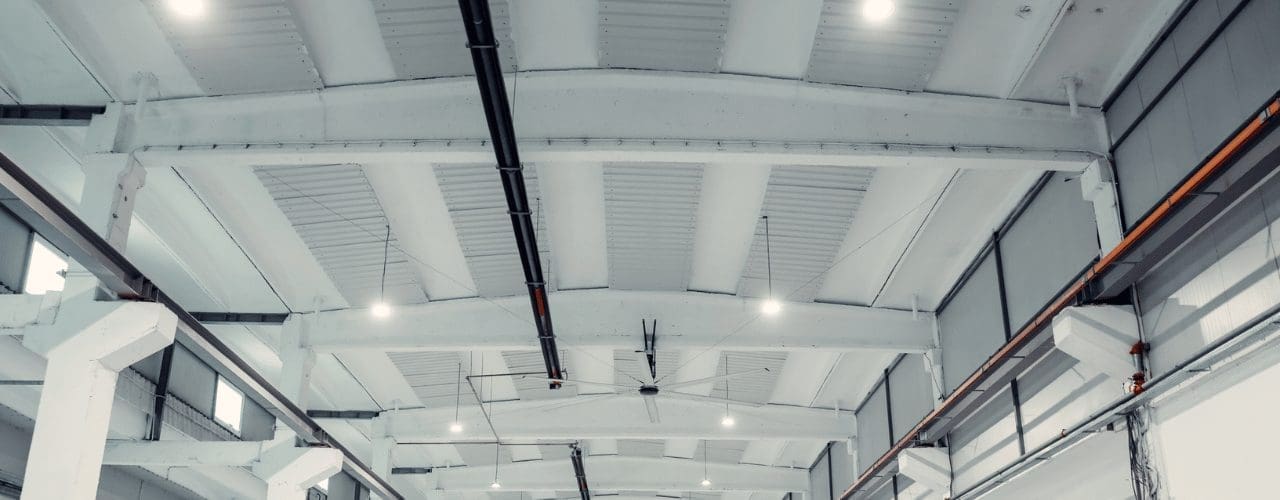
Modern logistics facilities rely on automation and high-density racking to handle vast inventory volumes. This specific mechanical layout fundamentally alters the fire safety profile of any commercial building.
Standard fire sprinkler configurations regularly fail to provide adequate coverage when robotics and tightly stacked storage obstruct water flow. RAD Fire Sprinklers designs compliant suppression networks that explicitly protect these complex commercial properties. Our accredited installers operate across England and Ireland to build tailored hardware solutions that keep your operations mechanically safe and legally sound.
Warehouse automation changes fire risk profiles by drastically altering the physical spaces where fires build. Automated operations introduce extreme storage heights and dense mechanical infrastructure that block traditional water distribution. System engineers must complete a full reassessment of your safety hardware to account for heavily stacked inventory.
Robotics and high-density racking create vertical channels where heat travels extremely fast. The increased storage heights mean a fire spreads upwards before older ceiling systems trigger. A standard commercial setup lacks the pressure or discharge volume to penetrate deep into these complex storage racks. Every automated storage space needs custom protection tailored to its specific structural layout. Standard configurations simply cannot bypass the physical obstructions created by moving machinery.
Automated storage and retrieval systems disrupt spray patterns by creating solid vertical barriers of goods. These tight barriers prevent water from reaching the base of a fire. The solid shelving and narrow aisles completely block the required shape of a standard sprinkler discharge.
An effective commercial fire sprinkler design for automated facilities incorporates specific nozzle placements to route around heavy structural elements. When water hits the top tier of densely packed shelves, it rarely trickles down to extinguish lower-level flames. Installers must account for heavily altered discharge patterns to guarantee complete saturation during an emergency event. Safety engineers install dedicated high-output hardware to force large volumes of water downward rapidly. These mechanical solutions push forcefully past the upper layer of goods to suppress the root source of the fire.
Finding reliable fire protection for UK distribution centres focuses on rapid suppression and strict adherence to Building Regulations Part B. Site managers must install tailored systems that factor in building occupancy levels alongside precise water pressure. Detailed coverage requires integrating automatic suppression with high-reliability early warning smoke hardware.
These automated facilities hold massive financial value within tightly packed concrete walls. An unchecked fire destroys the physical property and the complex robotic infrastructure that runs the respective operation. You require an experienced safety team to manage the delicate balance between technical efficiency and structural fire safety. We work closely with structural developers to create a reliable defence mechanism focused on securing detailed system design and safe mechanical installation. Our engineers execute thorough operational testing and ongoing mechanical servicing to keep you fully compliant.
Insurers view warehouse robotics fire safety compliance as a strict mandatory condition for providing facility coverage. They heavily penalise facilities that rely on outdated protection methods in highly automated spaces. Underwriters require a fully integrated suppression system that specifically addresses the unique risks of mechanised equipment.
A poorly designed suppression setup leaves logistics operators exposed to massive financial liabilities and rejected insurance claims. Insurers mandate thorough analytical reports on water supply capacity and system maintenance cycles. They expect one single company to manage the full physical protection network to guarantee transparent accountability. RAD Fire Sprinklers acts as a dependable project partner to consistently secure this regulatory compliance. Our expertly structured approach provides physical site coverage that satisfies the strictest corporate underwriting criteria.
A custom commercial fire sprinkler design is strictly required because no two automated facilities share the exact same operational layout. Tailored systems directly align suppression technology with the unique travel paths of your automated infrastructure. This strategic safety decision gives maximum protection without hindering daily logistical operations.
Modern distribution centres utilise distinctive robotic grid layouts that older sprinkler frameworks cannot accommodate. Planners must calculate precise water pressure and total volume requirements based on the highly specific goods stored. A generic safety setup wastes water and causes unnecessary inventory damage when high temperatures are detected. Fire protection designed to save both lives and property involves carefully mapping out every possible architectural obstruction. Modern high-pressure water configurations deliver immense physical protection flexibility for highly complex commercial properties.
System upgrades protect high-density spaces by penetrating tight packaging materials and shelving units moments before flames escalate. Modern warehouse fire safety systems operate rapidly to limit severe atmospheric smoke damage. Upgraded hardware specifically deals with the challenging internal physics of deep horizontal storage configurations.
Older suppression networks completely fail to keep up with the intense heat generated by large quantities of tightly packed modern goods. The introduction of targeted in-rack protection treats the exact operational layer where the fire starts. Specialist sprinkler hardware for high bay racking acts as a precisely targeted response rather than a broad spray. Our dedicated mechanical specialists draw on nearly two decades of proven experience to execute these demanding retrofits safely. A carefully upgraded protection network secures the entire building while granting occupants critical unhindered time to escape.
Logistics operators must follow strict standards like BS EN 12845 to confirm their commercial suppression setups remain fully compliant. Building Regulations Part B heavily dictates how a detailed fire strategy protects structural building integrity. Installations are specifically designed to meet firm regulations across every single level of operation.
Staying legally compliant requires constant documented adherence to third-party safety accreditation schemes. Facilities prove their automated fulfilment centre sprinkler requirements closely align with the formal recommendations of recognised safety bodies. Our firm proudly maintains active registrations with critical fire safety networks including the FIRAS Accreditation Scheme and the British Automatic Fire Sprinkler Association. Operating a vast logistics facility across England and Ireland demands a deep understanding of varying regional enforcement practices. Relying on accredited installation specialists actively prevents highly costly operational shutdowns.
Ongoing compliance and maintenance require strict strategic scheduling of routine testing and thorough servicing by accredited safety professionals. Regular visual inspections verify that water pressure remains completely adequate. Continuous servicing manages the required hardware so it operates flawlessly over its intended lifespan.
The best fire sprinkler systems for automated warehouses demand preventative care to stop small mechanical issues from becoming catastrophic failures. A distribution setup is only as effective as its last successful water pressure test. Our complete design to installation service includes an active commitment to systematic mechanical aftercare. Responsible property owners keep detailed safety logs to prove strict regulatory alignment. We proactively manage scheduled servicing to easily lift the compliance burden from the logistics operator.
Automated facility sprinklers raise important questions for logistics operators, particularly around installation, system performance and compliance. When a facility relies on robotics, high-density storage or fast-moving automated equipment, fire protection needs to be carefully designed around the way the building actually works.
Installing a custom commercial fire sprinkler system depends on the size of the facility, the complexity of the layout and the level of integration required around existing operations. Automated warehouses often need additional planning because sprinkler pipework, suppression coverage and access routes must work safely around robotic systems, racking and mechanical handling equipment.
A detailed site assessment helps establish a realistic installation timeline. From there, the project can be planned around your operational milestones to reduce disruption and keep the work moving efficiently. Careful coordination with site managers also helps ensure the finished system meets relevant fire safety requirements without creating unnecessary delays.
The most effective suppression technologies for automated warehouses depend on the building layout, stored materials, water supply and equipment in use. High-discharge sprinkler heads, in-rack pipework and rapid response heat elements are often used where dense storage or automation could obstruct water distribution.
In some settings, high-pressure water mist systems may also provide a practical solution, particularly where traditional water supply infrastructure is more difficult to install. These systems use less water while supporting effective cooling and fire suppression in complex spaces. The right choice should always be based on a full risk assessment rather than a one-size-fits-all approach.
The process usually begins with a detailed site risk assessment carried out by a qualified fire protection specialist. This allows engineers to review the layout, water supply, storage arrangements, access requirements and any automated systems that could affect fire behaviour or sprinkler performance.
From there, a bespoke fire sprinkler design can be developed to align with your facility, operational needs and compliance requirements. Working with a specialist from the beginning helps reduce the risk of redesigns, missed hazards or delays later in the project.
As automated facilities become more advanced, fire protection systems need to keep pace. RAD Fire Sprinklers provides bespoke fire protection systems designed around your building, equipment and long-term operational needs.
If you need support with automated facility sprinklers, system design or certification, contact RAD Fire Sprinklers today to discuss your project with our specialist team.
Your ultimate resource for expert insights, industry trends, and practical tips on Residential & Commercial Fire Sprinklers.


Get in touch today to protect your property with a professionally installed fire sprinkler system. Our expert team is here to answer your questions and provide a tailored quote.