When Do Holiday Let Conversions Need Domestic Fire Sprinklers?
Blogs
Blogs
Adding a top floor physically changes the structure of a house. Introducing an upper-storey sleeping space naturally extends the distance occupants must travel to reach safety during a fire. This structural shift demands strict coordination between architectural layout and active suppression systems to meet Building Regulations. RAD Fire Sprinklers is a residential fire protection specialist with nearly 20 years of experience across England and Ireland. We design and install compliant domestic fire sprinklers to safeguard lives. Need fire protection for an upcoming project? Speak to our team to map out your initial design.
Loft conversions alter home fire safety because transforming an attic into a third-storey sleeping space extends the primary escape route. Occupants on the top floor face a longer, more hazardous journey to the ground floor exit, significantly increasing their vulnerability to smoke inhalation and upward-spreading heat.
Homeowners and property developers must account for these altered floor plans early in the planning phase, especially since older property structures lack the compartmentalisation needed to hold back flames. The physical layout directly dictates the specific level of risk for the occupants. For example, an open-plan ground floor combined with a new third-storey bedroom allows flames to travel upwards without encountering physical barriers. Implementing active fire protection for loft bedrooms suppresses sudden temperature spikes before they block exit paths entirely.
UK Building Regulations Part B often require domestic fire sprinklers for loft conversions when the property design lacks a traditionally enclosed stairwell. Approving bodies mandate these active suppression systems for third-storey additions to protect open-plan ground floors, helping occupants maintain a secure escape route to exit the building.
Installations are explicitly designed to satisfy strict legal demands before rigorous independent inspections occur. RAD works directly with architects and local authorities to deliver suppression systems that consistently pass Building Control. When a protected escape route is compromised by open architecture, installing domestic fire sprinklers serves as an accepted compensatory measure. These fast-acting suppression networks contain the flames at the source to keep the property compliant as a complete unit.
Domestic fire sprinklers for loft conversions connect physically and strategically with integrated smoke alarms and solid fire doors to form a layered defence system. Hardwired alarms provide immediate acoustic warnings to wake occupants, while automatic fire suppression networks actively reduce room temperatures and limit toxic smoke volume.
This coordinated approach provides maximum protection for residential homes. Smoke alarms issue the initial warning while sprinklers control the physical environment by suppressing toxic smoke. This combination allows residents critical extra minutes to safely descend the stairs and exit the front door.
You should schedule your domestic sprinkler installation during the initial loft conversion planning stages to secure structural integration. Mapping out pipework alongside utility upgrades allows builders to conceal the system behind plasterboard, preventing costly secondary building work and avoiding major scheduling delays later in the project.
Leaving fire safety considerations until the build is almost finished vastly increases both disruption and overall costs. Coordinating with a specialist early means the water supply and pressure are assessed accurately before walls are closed up. Factors such as property layout and existing water mains pressure heavily influence the final network design. Our experienced installers manage both system installation and final commissioning as one straightforward process. Relying on a single company to handle the fire protection system streamlines the build schedule for main contractors.
Loft conversion fire sprinkler systems offer superior property protection because they activate automatically upon detecting immense heat to suppress flames immediately. These custom suppression networks provide highly focused, localised responses that contain the incident to the original room, preventing extensive structural destruction and massive water damage.
Traditional assumptions suggest that sprinklers flood the entire house, but modern residential systems operate individually. This localised response means water damage is kept to an absolute minimum while the core structural integrity of the home remains intact. We evaluate the fire risk level and specific building occupancy of every home to tailor the suppression technology. RAD Fire Sprinklers focuses exclusively on residential environments including standard homes and apartment blocks. This dedication allows us to deliver engineering solutions that match the distinct demands of domestic living spaces.
Residential sprinklers for attic conversions are better than commercial variants because they utilise scaled-down technology designed specifically for standard residential water pressures. Tailored domestic sprinkler heads prevent the massive water volumes associated with highly pressurised commercial units while remaining visually unobtrusive within a modern home interior.
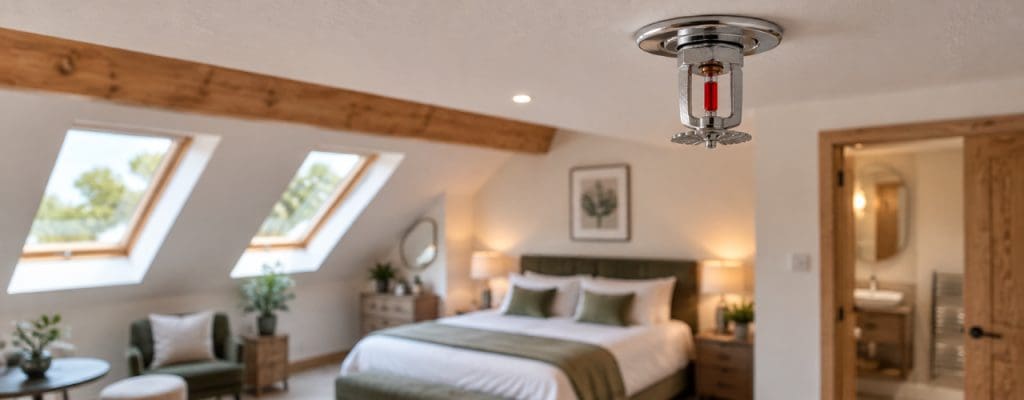
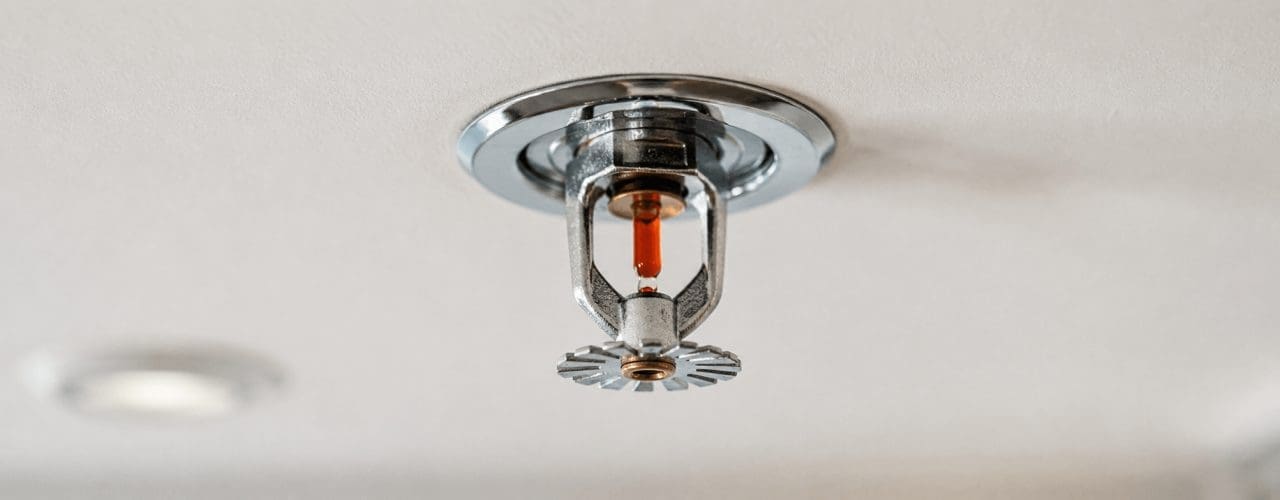
Modern sprinkler units improve layout flexibility for homeowners concerned about interior aesthetics. We frequently install concealed sprinkler systems where the operational heads sit flush behind neutral cover plates on the ceiling. The covers simply drop away when ambient temperatures reach critical levels to expose the active sprinkler head. Advanced fire suppression technologies also include high-pressure water mist systems. They use significantly less water to operate and can frequently run on existing domestic water supplies, removing the need for secondary storage tanks in tight roof spaces.
Installing continuous fire protection for converted loft spaces creates very little disruption when scheduled during the active build phase. Routing the pipework while ceilings and floorboards are already exposed makes the physical installation fast and highly efficient for the on-site contractors managing the project.
Retrofitting systems into finished homes takes more coordination but remains entirely feasible when handled by residential specialists. Our team takes great care to route pipes through available voids with minimal cutting into existing plasterboard finishes. We design every project to respect the fabric of the building while meeting the latest fire safety standards. RAD maintains an overarching suite of industry credentials to confirm our installation quality. We are registered with the FIRAS Accreditation Scheme and hold IFC Certification to validate our commitment to compliant residential engineering.
Homeowners and building contractors frequently ask technical questions regarding loft conversion escape route fire safety and automatic suppression functionality. Understanding the mechanics behind domestic systems clarifies exactly how these installations serve as an accepted compensatory measure for modern open-plan architectural layouts.
Modern domestic fire sprinklers almost never activate accidentally because they rely on precise fixed-temperature detection. The internal glass bulb must experience sustained, intense heat to shatter and release the suppression water. This specific thermal requirement means smoke from burnt toast or a lit candle cannot trigger the system.
High-pressure water mist systems often operate effectively using existing domestic water mains. This direct connection requires the baseline flow rates to meet regulatory standards for suppression consistency. We test your water supply during the initial site survey to confirm whether a direct connection is viable or if a small booster pump is required.
Maintaining these bespoke domestic fire suppression systems involves a straightforward annual service visit to verify pressure readings and inspect the control valves. Our engineers test the pump functionality and confirm the entire network remains free from obstruction. Regular servicing keeps the equipment operating reliably over time while fully complying with your home insurance policies.
Adding a top floor physically alters your home and changes how occupants must respond to fire emergencies. Domestic sprinklers automatically suppress sudden temperature spikes, giving residents time to safely reach the street. Contact RAD Fire Sprinklers today to discuss bespoke design and compliant certification for your next project.
Your ultimate resource for expert insights, industry trends, and practical tips on Residential & Commercial Fire Sprinklers.


Get in touch today to protect your property with a professionally installed fire sprinkler system. Our expert team is here to answer your questions and provide a tailored quote.